
Why do porta potties smell in the first place?
Odor comes from bacteria breaking down waste and from ammonia gas building up in a closed tank. Every standard unit holds a 60 to 70 gallon tank, and once that tank fills past a certain point, the gas has nowhere to go but up through the seat. Heat speeds up the bacteria, which is why a unit baking in an Orange, CA parking lot in August smells worse by 2pm than it did at 8am. Placement matters more than people think. A unit tucked in full shade, away from foot traffic and food tables, holds up better than one dropped in direct sun near a grill. Our porta potty placement guide walks through where to put units on a job site or at an event so airflow and shade work in your favor instead of against you. Deodorizer chemicals in the tank neutralize a lot of the ammonia, but they are not a substitute for pumping the tank before it gets too full. That is the real lever. A unit serviced on schedule under ANSI/PSAI Z4.3, which sets a one-visit-per-week baseline for up to 10 users over a 40 hour week, almost never smells bad enough to complain about.
Does a deluxe or flushable unit smell less?
Yes, noticeably. A deluxe flushable porta potty uses a flush mechanism that pushes waste down and seals it off between uses, so less gas escapes into the stall. Standard units rely on the tank chemical alone, which works fine on a normal schedule but loses ground fast once usage climbs past what the tank was built for. If you are hosting a wedding or a corporate event where guests will notice, it is worth the upgrade. Our wedding restroom rental and event restroom rental pages break down which unit fits which guest count. For anyone renting near Villa Park, 5.1 miles northeast of Orange, or planning something in North Tustin, 5.4 miles southeast, the same logic applies: a flushable unit or a small restroom trailer handles higher guest counts with far less odor than a bank of standard units under the same load. If budget is the driver, our porta potty rental cost page compares what standard, deluxe and ADA units run across a day, a week and a month.
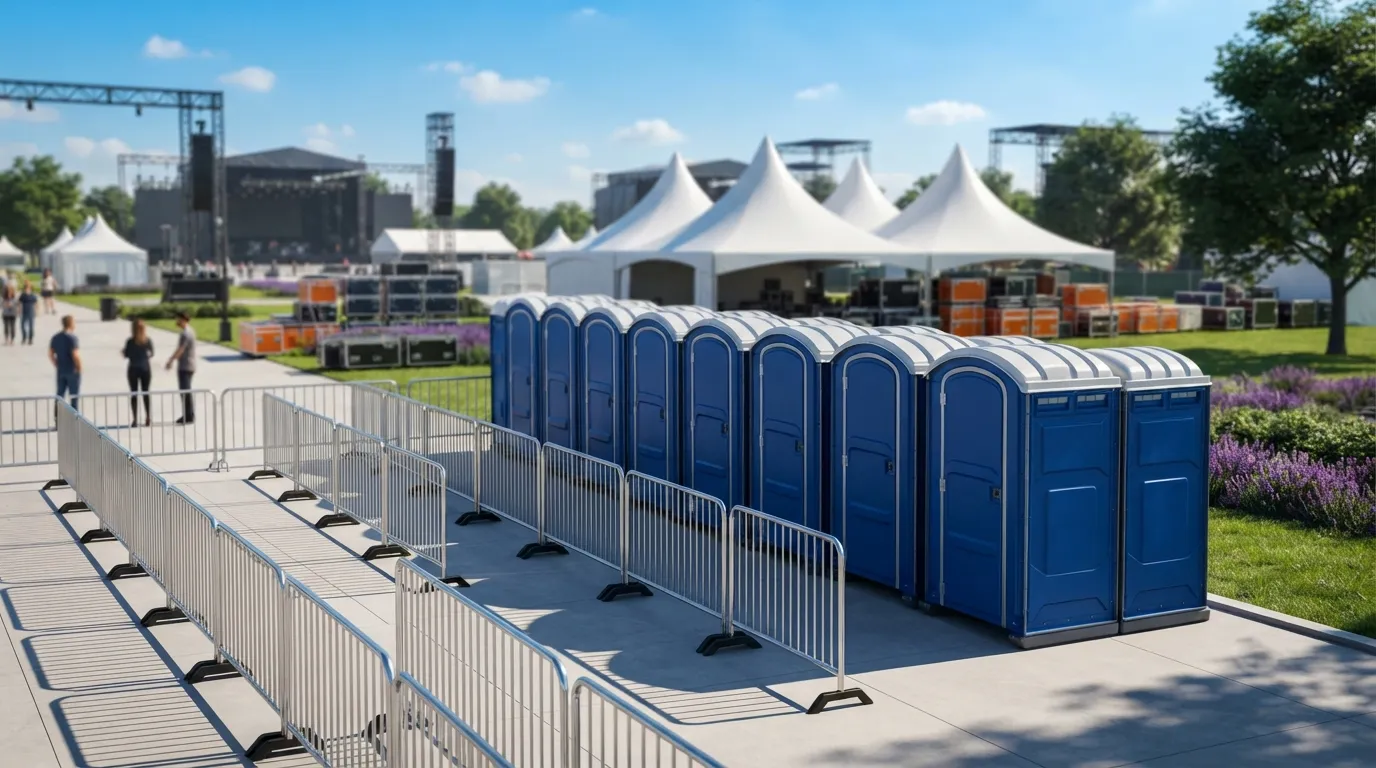
How often do porta potties need to be cleaned to stop smelling?
Weekly is the baseline, more often for heavy use. ANSI/PSAI Z4.3 sets one service visit per week as the standard for up to 10 regular users over a 40 hour week. Construction crews, festivals and multi-day events push past that number fast, which is when odor complaints start. OSHA does not regulate smell directly, but 1926.51(c) sets the toilet-to-worker ratio on a construction site: one toilet for 20 or fewer workers, then one toilet and one urinal per 40 workers once you pass 20, and one per 50 once you hit 200 or more. Undercounting units is one of the fastest ways to end up with an overwhelmed tank days before the next scheduled pump. If your event or crew is short-term, our porta potty rental per day page shows day-rate pricing so you can add extra units for a busy weekend without committing to a monthly contract. For longer jobs, monthly porta potty rental locks in a standard weekly service cycle that keeps tanks from ever getting close to full.
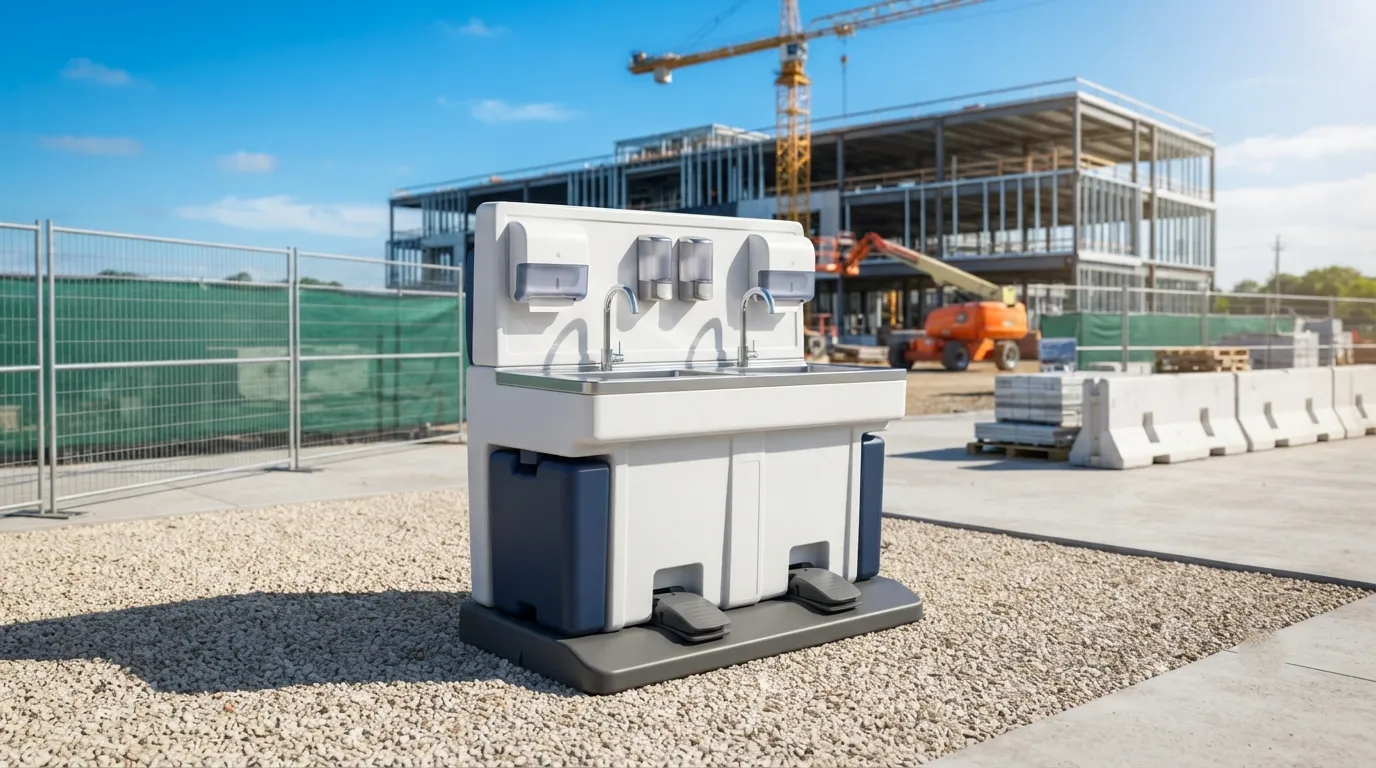
Can placement and weather make porta potties smell worse?
Yes. Heat, direct sun and poor airflow all make a tank smell stronger between services. A unit placed against a wall with no breeze traps gas inside the stall; one placed in open shade with a few inches of clearance vents better. Temperature swings in an Orange, CA summer push tank temperatures up fast, which is why placement near shade trees or a building's north side helps more than people expect. Our porta potty in winter page covers the opposite problem, cold weather and slow-draining tanks, but the placement principles carry over. If you are setting up for a job site rather than an event, our construction site services page and how many porta potties do I need calculator both factor worker count and duration into how many units and how much service frequency you actually need.
Do porta potties smell worse in a rental with no handwashing station?
Not directly, but skipping handwashing makes the whole setup feel less sanitary even if the toilet itself is serviced fine. 29 CFR 1910.141(d)(2) requires soap and towels or a hand-drying device at washing facilities; hand sanitizer alone does not satisfy it. Pairing a handwashing station rental with your units in Orange rounds out the setup.
Does an ADA unit smell any different from a standard one?
No, the odor control is the same tank and chemical system. ADA Standards 213.2 requires at least 5 percent of clustered units be accessible, and those units get the same weekly service as everything else on the route.
Will a porta potty at a construction site smell more than one at an event?
It can, if worker counts are underestimated. OSHA 1926.51(c) sets minimum toilet ratios by crew size, and a site with too few units for its headcount fills tanks faster between services, which drives odor up regardless of the deodorizer used.
Can a septic or grease issue make nearby porta potties smell worse?
Not directly, but a failing septic system or an overdue grease trap nearby can add ambient odor to a site. Our septic pumping service and grease trap pumping pages cover when those systems need attention separately from your rental units.
Should I request extra service visits for a multi-day event?
Yes, for anything beyond a single day with heavy foot traffic. Standard service follows the ANSI/PSAI Z4.3 weekly baseline, but a festival or fair in Orange, CA can outpace that fast. Ask Orange Porta Pros to schedule a mid-event pump for units near food or main stages.
Next step
Get a delivery date
Tell us the address, the dates and the headcount. We size the order and confirm the route.